
Gender Apartheid and the Crimes against Humanity Convention Negotiations: Solidarity, History and the Politics of Naming
Negotiations toward a new Crimes Against Humanity Convention have renewed debate about how international law should address systemic gender-based oppression.
Calls to recognise “gender apartheid”, particularly in response to the Taliban’s treatment of women and girls in Afghanistan, reflect the urgency of ensuring credible legal responses to institutionalised gender domination. This brief affirms the importance of recognising the seriousness of gender-based harms and calls for solidarity among gender justice advocates. At the same time, it raises concerns about extending the concept of apartheid to gender without careful consideration of its historical origins and legal foundations. Apartheid emerged from specific anti-colonial struggles against racial domination, and its group-based legal structure may not fully capture the ways gendered power operates across both public and private spheres.
Rather than privileging a single legal pathway, this brief calls for strengthening accountability for gender-based oppression through existing legal provisions, including the crime against humanity of gender persecution. The brief notes that the introduction of the term “gender apartheid” may lead some states to resist the Convention, potentially undermining efforts to build wider agreement on gender justice. It therefore calls for continued solidarity among gender justice advocates, including engagement with the diverse ways gender- based harms are experienced and addressed across African contexts. It highlights the importance of including African intellectual and legal leadership in shaping responses that are historically
grounded and legally coherent.
Read the report
Share This Story, Choose Your Platform!
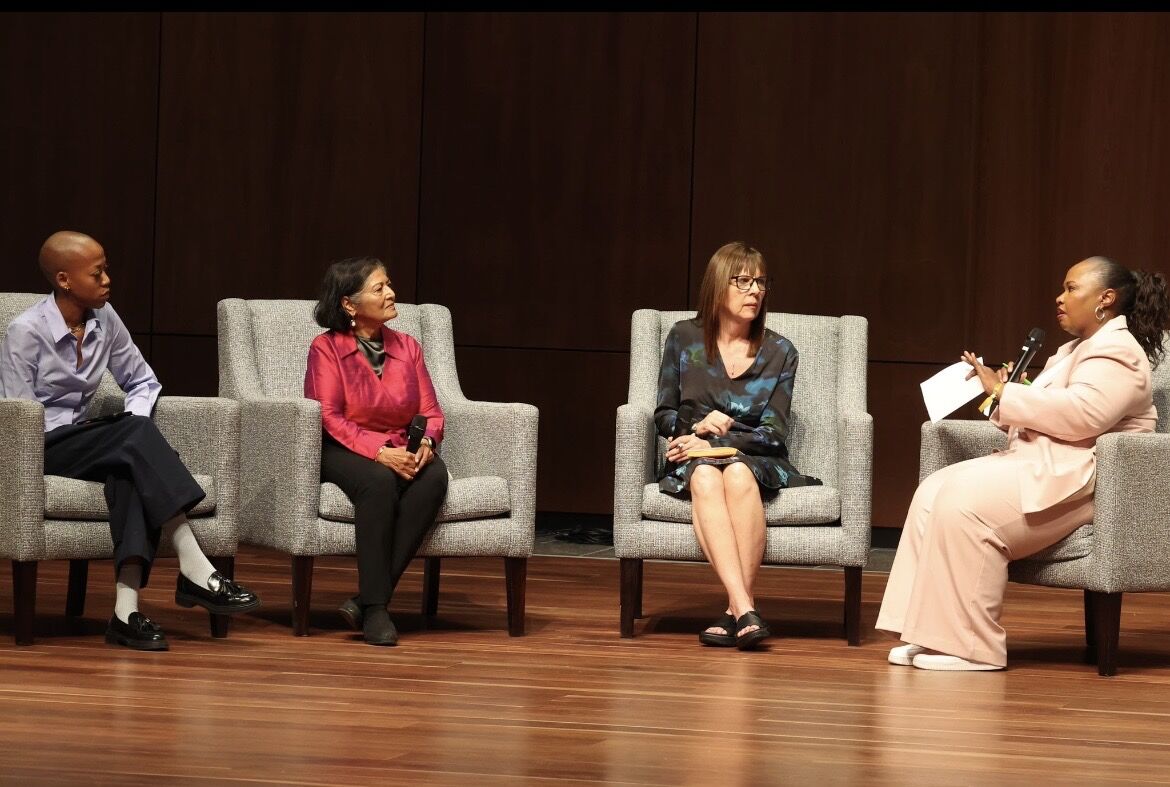
On 3 September 2026, Professor Helen Scanlon and Yasmin Sooka participated in the inaugural Nokuthula Simelane Memorial Lecture, hosted by the Nokuthula Simelane Foundation, alongside Amahle-Imvelo Jaxa.
![[Left to right, at the back]: Lee Sungju, Asemahle Tshoni, Anastasia Solomons, Sesetu Holomisa, A/Professor Helen Scanlon, Mirjam Ellemers, Stephanie Wild. [Left to right sitting]: Dr Gertrude Fester, Dr Saghar Shahidi-Birjandian, Professor Phil Clark](https://atjc.org.za/wp-content/uploads/2026/10/Launch-of-Dr-Saghar-Shahidi-Birjandian-PhD.-Shahidi-Birjandians-co-edited-volume-3.jpeg)
ATJRC’s Professor Helen Scanlon and the Department of Politics at the University of Cape Town hosted a seminar on 9 September 2026, marking the launch of Dr Saghar Shahidi-Birjandian, PhD. Shahidi-Birjandian’s co-edited volume, Intergenerational Survivors of Genocide and Mass Atrocities: Lived Experiences of Knowledge Providers.

In May 2025, the South African Department of Sports, Arts and Culture released the Draft National Policy Framework for Heritage Memorialisation for public comment. The Draft Policy Framework presents heritage as a tool of fostering nation-building, social cohesion and national development. It presents National Legacy Projects as an instrument for transforming South Africa's heritage landscape.
Publications & Archive
Gender Apartheid and the Crimes against Humanity Convention Negotiations: Solidarity, History and the Politics of Naming
Negotiations toward a new Crimes Against Humanity Convention have renewed debate about how international law should address systemic gender-based oppression.
Managing Memory or Confronting the Past? A Response to South Africa’s Draft National Policy Framework for Heritage Memorialisation
The South African government has released a Draft National Policy Framework for Heritage Memorialisation intended to guide how heritage and memory practices are governed nationally.
